Smoking a Cigarette or Chewing Gutkha: What Puts You at Higher Risk of Oral Cancer?
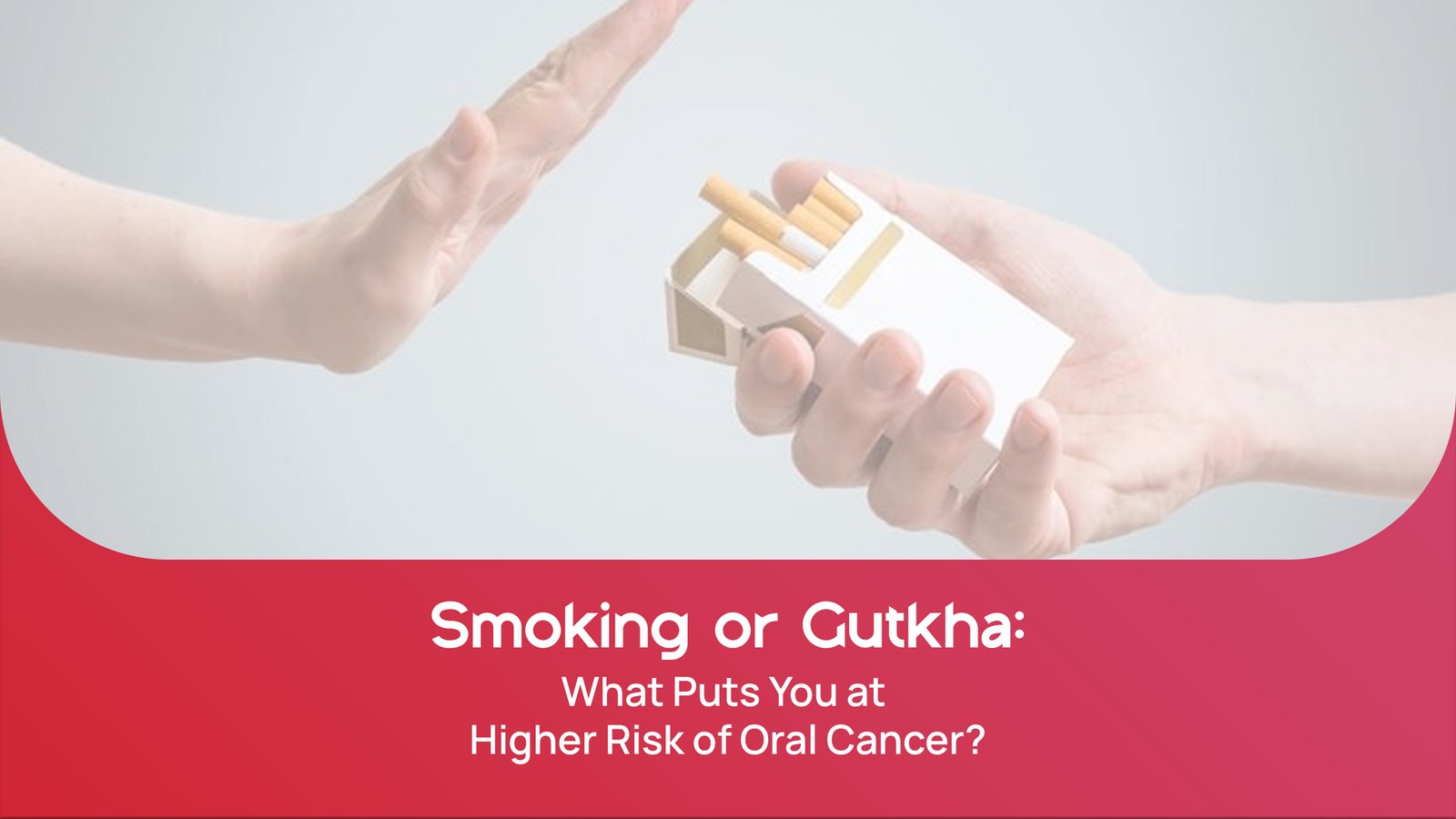
One of the most common questions patients ask during oral cancer consultations is:
“Is smoking worse, or is chewing gutkha more dangerous?”
In India — especially in Maharashtra and the Marathwada region — both tobacco smoking and tobacco chewing (gutkha, paan, khaini, supari mixtures) are major risk factors for oral cancer.
But do they carry equal risk? Or is one more harmful than the other?
Understanding the difference can help individuals make informed lifestyle decisions and reduce their oral cancer risk.
How Tobacco Causes Oral Cancer
Both smoking and chewing tobacco expose the mouth to:
- Carcinogenic chemicals
- Nitrosamines
- Heavy metals
- Chronic tissue irritation
These substances damage the DNA of oral cells, leading to:
- Pre-cancerous lesions
- Oral submucous fibrosis
- Leukoplakia (white patches)
- Erythroplakia (red patches)
- Ultimately, mouth cancer
Repeated exposure significantly increases mutation risk.
Smoking: How It Affects the Oral Cavity
Cigarette and bidi smoking:
- Exposes the entire mouth and throat to carcinogens
- Increases risk of tongue cancer
- Raises risk of throat and laryngeal cancer
- Impacts lung and systemic health
Smoking-related oral cancers often involve:
- Tongue
- Floor of mouth
- Oropharynx
Risk increases with:
- Number of cigarettes per day
- Duration of smoking
- Combined alcohol use
Chewing Gutkha or Tobacco: The Direct Contact Danger
Chewing tobacco products like gutkha or paan:
- Remain in direct contact with oral tissues for prolonged periods
- Deliver high concentrations of carcinogens locally
- Cause chronic irritation to cheek lining
- Lead to oral submucous fibrosis (OSMF)
In India, buccal mucosa (cheek) cancer is extremely common due to gutkha use.
Key concerns with chewing tobacco:
- Higher localised cancer risk
- Severe restriction in mouth opening
- Jaw stiffness
- Higher rates of late-stage presentation
Which Is More Dangerous?
From a strictly oral cancer perspective:
- Chewing tobacco often carries a higher direct risk for cheek and jaw cancers due to prolonged local exposure.
- Smoking carries broader systemic cancer risks (lung, throat, bladder, etc.) along with oral cancer risk.
In regions where gutkha use is common, oral cancer rates are significantly higher compared to populations that only smoke.
The most dangerous habit?
Combining smoking, chewing tobacco, and alcohol.
This multiplies risk rather than simply adding it.
Early Warning Signs to Watch For
Individuals who smoke or chew tobacco should seek evaluation if they notice:
- Mouth ulcer lasting more than 2–3 weeks
- White or red patches inside the mouth
- Difficulty opening the mouth
- Persistent cheek swelling
- Unexplained bleeding
- Pain while chewing
Early detection dramatically improves oral cancer treatment outcomes.
Can the Risk Be Reversed?
Yes — but timing matters.
Stopping tobacco use:
- Reduces future cancer risk
- Improves oral tissue healing
- Lowers recurrence risk after treatment
- Enhances overall recovery
The earlier cessation begins, the greater the benefit.
However, long-term heavy users should undergo regular oral cancer screening, even after quitting.
A Practical Example
Consider two individuals:
- One smokes 5 cigarettes daily.
- Another keeps gutkha in the cheek for several hours daily.
The second individual exposes a specific oral site to concentrated carcinogens for longer durations, increasing the risk of localized cheek cancer significantly.
Both habits are harmful. Direct, repeated contact makes chewing tobacco particularly dangerous for oral tissues.
Final Takeaway
When comparing smoking vs gutkha for oral cancer risk, both are dangerous — but chewing tobacco often causes more aggressive local mouth cancers due to prolonged tissue exposure.
The safest option is clear:
Avoid all forms of tobacco.
Regular screening, early diagnosis, and prompt consultation with an oral cancer specialist can prevent advanced disease.
Disclaimer
This blog is intended for educational purposes only. Readers should not treat this information as medical advice for their condition. It is very important that an in-person consultation be conducted with an expert before taking any medication or treatment.