The Role of Nutrition in Breast Cancer Recovery: How the Right Diet Supports Healing
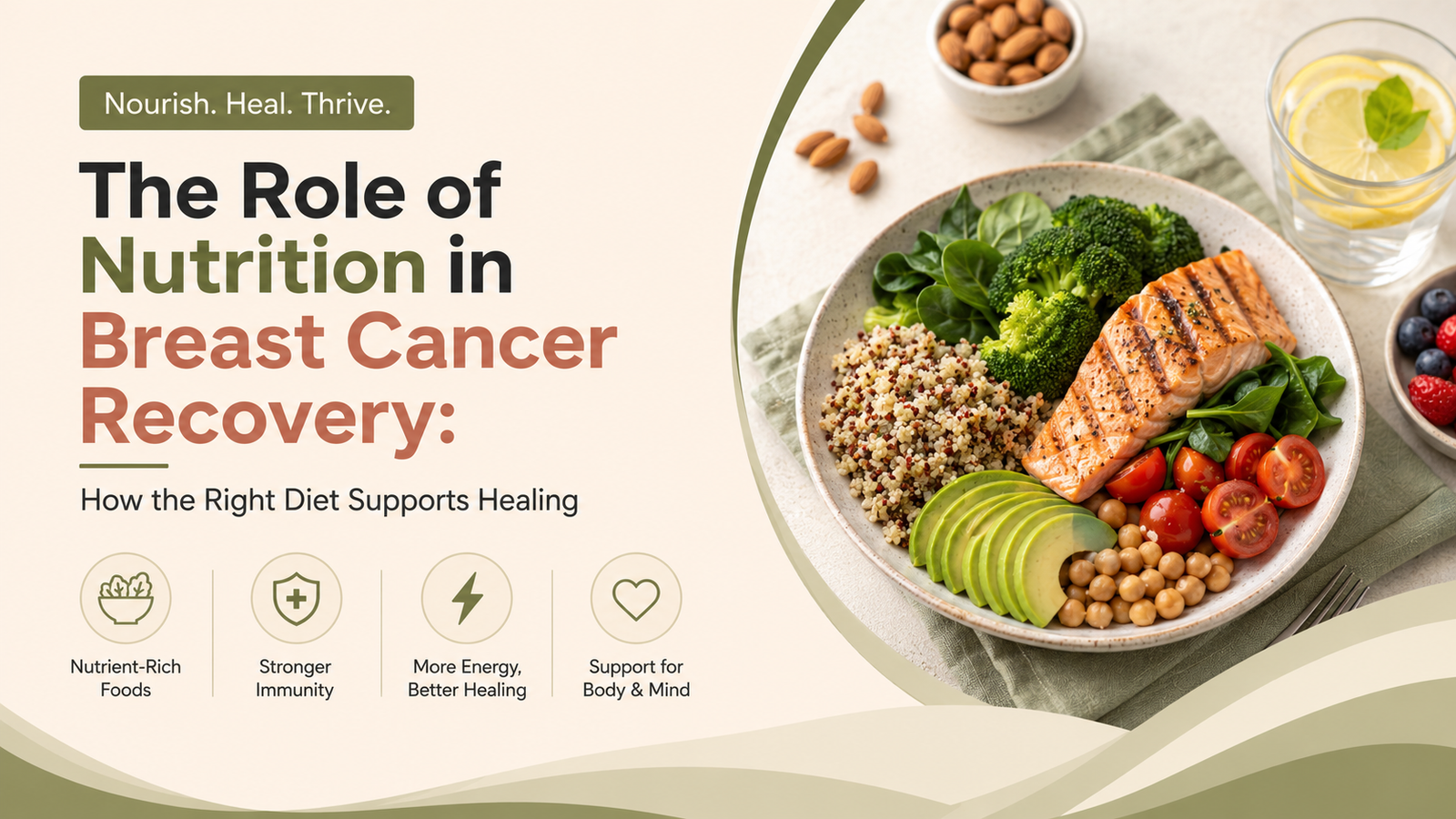
Recovering from breast cancer is about much more than completing surgery, chemotherapy, radiation therapy, or targeted treatment. Healing continues long after the last treatment session, and one of the most important factors that influences recovery is nutrition.
While no single food can cure cancer, a balanced and nutrient-rich diet can help your body heal, improve energy levels, support your immune system, reduce treatment-related side effects, and enhance your overall quality of life.
At i-BOCC, we believe that breast cancer care extends beyond medical treatment. Comprehensive recovery includes emotional support, physical rehabilitation, and nutritional guidance tailored to every patient’s unique needs.
Why Nutrition Matters During Breast Cancer Recovery
Breast cancer treatment places significant demands on the body. Surgery requires tissue healing, chemotherapy may affect appetite and digestion, radiation therapy can cause fatigue, and targeted or hormone therapies may bring long-term side effects.
Good nutrition helps the body:
- Repair damaged tissues
- Maintain muscle mass
- Support immune function
- Improve wound healing
- Reduce fatigue
- Maintain a healthy body weight
- Manage treatment side effects
- Lower the risk of nutritional deficiencies
- Promote overall recovery
Eating well can also improve how patients tolerate treatment and support better long-term health.
Can Diet Cure Breast Cancer?
This is one of the most common misconceptions.
The answer is no.
There is currently no scientific evidence that any specific food, juice, herb, or “anti-cancer diet” can cure breast cancer.
However, nutrition plays a powerful supportive role by helping patients stay strong during treatment and recover more effectively afterward.
Patients should be cautious of misleading claims about miracle foods or restrictive diets that promise to eliminate cancer.
Common Nutritional Challenges During Breast Cancer Treatment
Every patient’s experience is different. Treatment may lead to several dietary challenges, including:
Loss of Appetite
Many patients eat less because of fatigue, stress, medications, or changes in taste.
Small, frequent meals are often easier to manage than large portions.
Nausea and Vomiting
Chemotherapy can make eating difficult.
Simple foods, adequate hydration, and individualized dietary advice can help reduce discomfort.
Taste Changes
Some patients notice that foods taste metallic, bitter, or bland during treatment.
Experimenting with herbs, spices, and different textures may improve food enjoyment.
Fatigue
Cancer-related fatigue can reduce motivation to cook or eat.
Choosing easy-to-prepare, nutrient-dense meals helps maintain energy without excessive effort.
Weight Changes
Some patients lose weight during treatment, while others gain weight due to medications, hormonal therapy, or reduced physical activity.
Maintaining a healthy weight is an important part of long-term recovery.
Essential Nutrients for Breast Cancer Recovery
Protein: The Building Block for Healing
Protein is essential for repairing tissues damaged during surgery and supporting immune function.
Healthy protein sources include:
- Lentils and dals
- Chickpeas
- Kidney beans
- Eggs
- Fish
- Chicken
- Greek yogurt
- Paneer
- Tofu
- Soy products
- Milk
Including protein with every meal can help maintain muscle strength and promote healing.
Fruits and Vegetables
Colourful fruits and vegetables provide vitamins, minerals, antioxidants, and fibre that support overall health.
Aim for a variety of colours, including:
- Green leafy vegetables
- Tomatoes
- Carrots
- Broccoli
- Bell peppers
- Citrus fruits
- Apples
- Berries
- Papaya
- Guava
Different colours provide different protective nutrients.
Whole Grains
Whole grains provide sustained energy and fibre.
Examples include:
- Oats
- Brown rice
- Whole wheat
- Millets
- Quinoa
- Barley
These foods help maintain digestive health and provide long-lasting energy.
Healthy Fats
Healthy fats support overall well-being and may reduce inflammation.
Choose:
- Nuts
- Seeds
- Almonds
- Walnuts
- Flaxseeds
- Chia seeds
- Olive oil
- Avocados
Moderation is key, as fats are calorie-dense.
Hydration
Water is often overlooked but plays a vital role during recovery.
Adequate hydration helps:
- Reduce fatigue
- Support digestion
- Prevent dehydration
- Improve kidney function
- Replace fluids lost through treatment side effects
Patients should drink water regularly throughout the day unless advised otherwise by their healthcare team.
Foods That Support Recovery
A balanced recovery diet may include:
Breakfast
- Vegetable oats
- Poha with peanuts
- Idli with sambar
- Whole-grain toast with eggs
- Fruit with yogurt
Lunch
- Dal
- Brown rice or chapati
- Mixed vegetables
- Salad
- Grilled chicken or paneer
Evening Snacks
- Fruit
- Roasted chana
- Nuts
- Sprouts
- Smoothies
Dinner
- Soup
- Grilled fish
- Vegetable khichdi
- Whole grains
- Lentils
- Stir-fried vegetables
The exact diet should be personalized based on treatment, appetite, and nutritional needs.
Foods to Limit During Recovery
Rather than focusing on “good” and “bad” foods, aim for balance.
Try to reduce:
- Highly processed foods
- Sugary beverages
- Excess sweets
- Deep-fried foods
- Processed meats
- Excessive salt
- Alcohol (unless specifically advised otherwise)
Occasional treats are acceptable as part of an overall healthy lifestyle.
Should Breast Cancer Patients Take Supplements?
Many patients ask whether vitamins, herbal products, or nutritional supplements are necessary.
The answer depends on individual nutritional status.
Supplements should only be taken after discussing them with your oncologist or clinical nutritionist, as some may interfere with chemotherapy, radiation therapy, or targeted treatments.
A food-first approach is generally preferred whenever possible.
Nutrition After Breast Cancer Surgery
Following surgery, the body requires extra nutrients to support healing.
Focus on:
- Adequate protein
- Vitamin C-rich fruits
- Iron-rich foods
- Zinc-containing foods
- Plenty of fluids
Good nutrition may also help reduce the risk of infections and support faster wound healing.
Nutrition During Chemotherapy
Chemotherapy often affects appetite and digestion.
Helpful strategies include:
- Eating small meals every 2–3 hours
- Keeping healthy snacks nearby
- Staying hydrated
- Choosing soft foods if mouth sores develop
- Eating protein-rich foods regularly
- Avoiding very spicy or greasy meals if nausea occurs
Patients should report persistent eating difficulties to their healthcare team.
Nutrition During Radiation Therapy
Radiation therapy may increase fatigue and affect swallowing or appetite in some patients.
Prioritize:
- Balanced meals
- Easy-to-digest foods
- Adequate hydration
- High-protein snacks
- Fresh fruits and vegetables
Maintaining nutritional intake can help patients better tolerate treatment.
The Importance of Maintaining a Healthy Weight
Being underweight or overweight can both influence recovery.
Maintaining a healthy weight may help:
- Improve energy levels
- Reduce complications
- Support physical activity
- Lower the risk of other chronic diseases
- Improve overall quality of life
Your healthcare team can help determine an appropriate weight goal based on your individual health.
Nutrition Is One Part of a Healthy Recovery
Recovery after breast cancer also includes:
- Regular physical activity
- Adequate sleep
- Stress management
- Emotional support
- Follow-up appointments
- Medication adherence
- Lymphedema prevention when appropriate
Nutrition works best when combined with these other healthy lifestyle practices.
Conclusion
Breast cancer recovery is a journey that extends beyond treatment. While nutrition cannot replace medical care, it plays a vital role in helping the body heal, maintain strength, manage treatment-related side effects, and improve overall well-being.
Choosing a balanced diet rich in protein, fruits, vegetables, whole grains, and healthy fats can make a meaningful difference during recovery. Every patient’s nutritional needs are unique, and personalized guidance from an experienced healthcare team is essential.
At i-BOCC, we believe in holistic breast cancer care that supports patients physically, emotionally, and nutritionally throughout every stage of their recovery.
Being underweight or overweight can both influence recovery.
Maintaining a healthy weight may help:
- Improve energy levels
- Reduce complications
- Support physical activity
- Lower the risk of other chronic diseases
- Improve overall quality of life
Your healthcare team can help determine an appropriate weight goal based on your individual health.
Frequently Asked Questions (FAQs)
What is the best diet during breast cancer recovery?
A balanced diet that includes lean protein, fruits, vegetables, whole grains, healthy fats, and adequate fluids is generally recommended. Individual needs may vary based on treatment and overall health.
Can nutrition reduce chemotherapy side effects?
Good nutrition may help patients better tolerate treatment, maintain strength, and manage certain side effects such as fatigue or poor appetite. Speak with your healthcare team for personalized advice.
Should breast cancer patients avoid sugar completely?
No. Current evidence does not support eliminating all sugar from the diet. Limiting added sugars and choosing a balanced diet is a healthier approach.
Are herbal supplements safe during breast cancer treatment?
Not always. Some herbal products and supplements may interfere with cancer treatments. Always consult your oncologist before taking any supplement.
Is weight gain common after breast cancer treatment?
Some patients experience weight gain due to hormonal therapy, medications, reduced physical activity, or menopause. A balanced diet and regular exercise can help manage weight.
Disclaimer
Readers should not treat any information in this blog as medical advice for their condition. It is very important that an in-person consultation be conducted with an expert before taking any medication or treatment.