Breast Cancer Treatment Options in India: From Diagnosis to Recovery
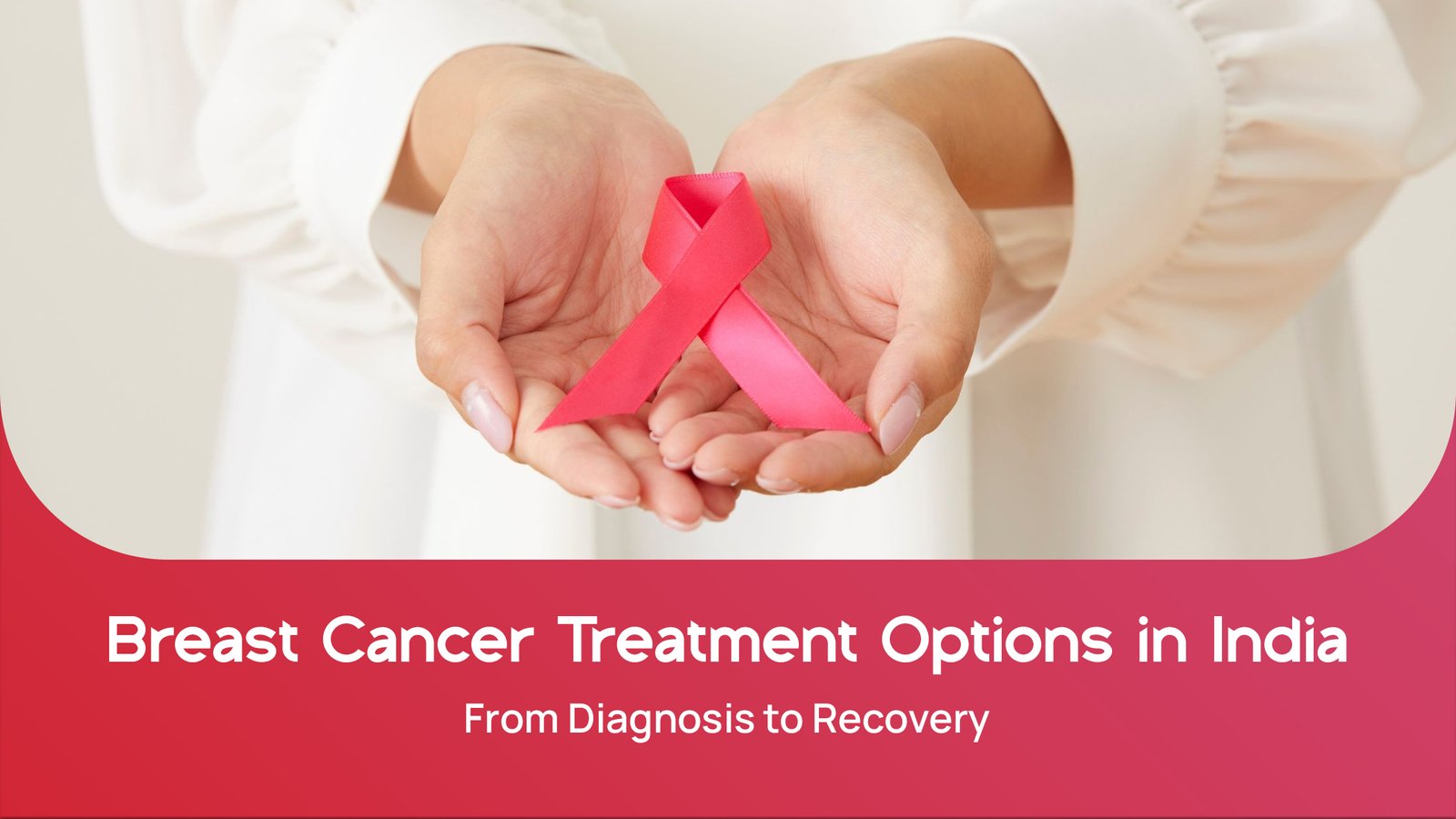
Breast cancer is the most commonly diagnosed cancer among women in India today. With increasing awareness, better diagnostic tools, and advanced treatment options, outcomes have significantly improved over the last decade. However, many patients and families still feel overwhelmed when they hear the words “breast cancer diagnosis.”
Understanding the treatment options for breast cancer in India—from diagnosis to recovery—can help patients make informed, confident decisions and approach treatment with clarity rather than fear.
Understanding Breast Cancer Treatment in India
Breast cancer treatment is not the same for every patient. The treatment plan depends on multiple factors, including:
- Type of breast cancer
- Stage of the disease
- Tumor size and lymph node involvement
- Hormone receptor and HER2 status
- Age, overall health, and personal preferences
Modern breast cancer care focuses on personalized treatment planning, balancing cancer control with quality of life.
Step 1: Diagnosis and Evaluation
Accurate diagnosis is the foundation of effective treatment.
Common diagnostic steps include:
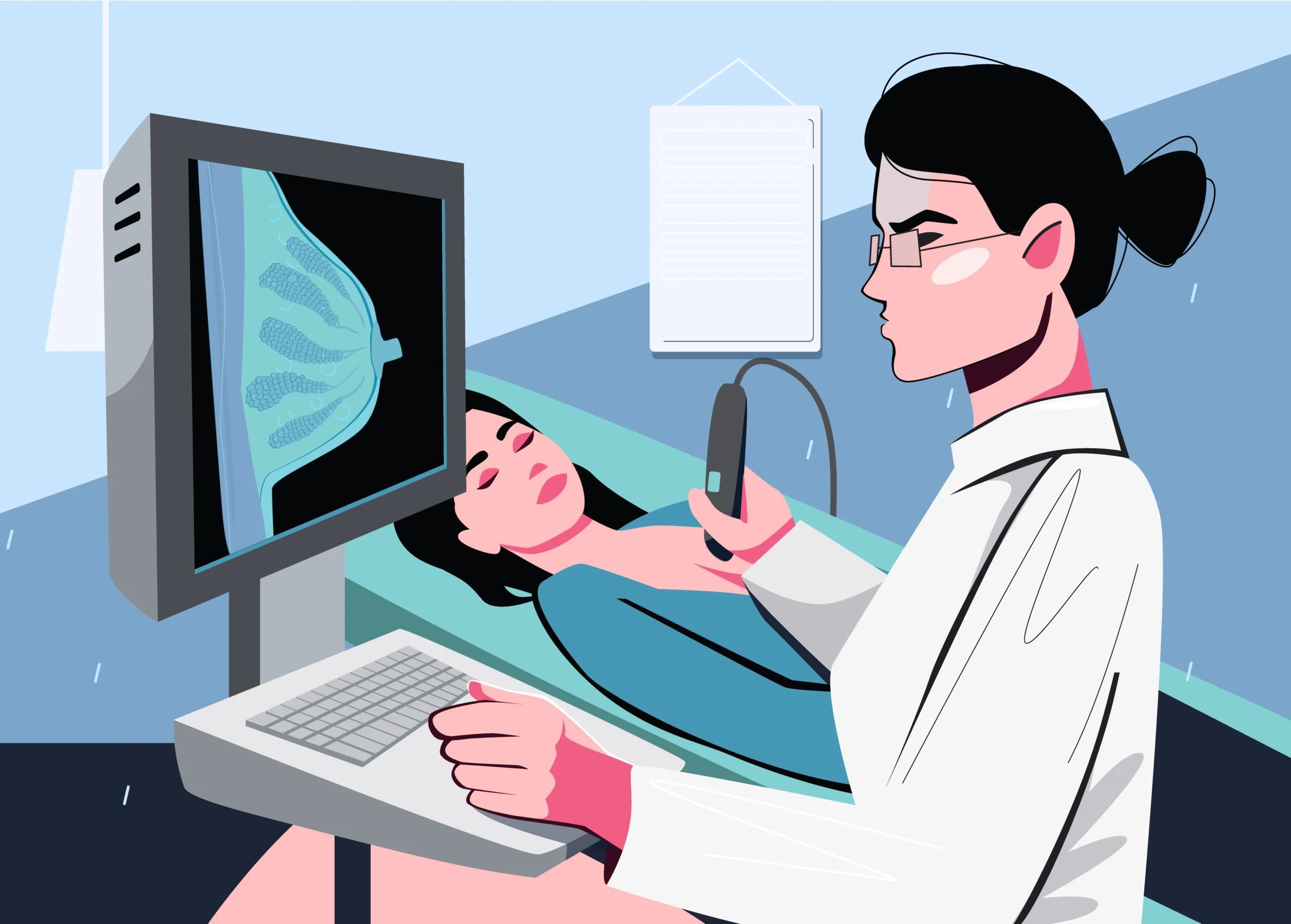
- Clinical breast examination by a specialist
- Breast imaging, such as mammography or ultrasound
- Image-guided biopsy to confirm cancer type
- Advanced imaging (MRI or PET-CT) when required
These tests help determine:
- Whether the lump is cancerous
- The stage of breast cancer
- Whether cancer has spread to lymph nodes or beyond
Early and precise diagnosis allows more treatment options, including breast conservation.
Step 2: Surgical Treatment Options
Surgery remains the cornerstone of breast cancer treatment in India.
1. Breast Conservation Surgery (Lumpectomy)
- Removal of only the tumor with a rim of healthy tissue
- Breast shape largely preserved
- Usually followed by radiation therapy
- Suitable for early-stage breast cancer
This option helps many women retain their breast without compromising cancer control.
2. Mastectomy
- Complete removal of the breast
- Recommended when tumor size is large or disease is extensive
- May be combined with immediate or delayed reconstruction
3. Oncoplastic Breast Surgery
- Combines cancer removal with cosmetic reshaping
- Preserves appearance while ensuring safe margins
- Particularly helpful when larger tumors are removed
4. Lymph Node Surgery
- Sentinel lymph node biopsy for early disease
- Axillary dissection when nodes are involved
- Helps guide further treatment decisions
Step 3: Breast Reconstruction Options
Breast reconstruction is an important part of recovery for many women.
Reconstruction may be:
- Implant-based
- Tissue-based (using patient’s own tissue)
- Immediate or delayed, depending on treatment plan
Reconstruction does not interfere with cancer treatment and can significantly improve body image and emotional well-being.
Step 4: Non-Surgical Breast Cancer Treatments
Not all breast cancer treatment happens in the operating room.
1. Chemotherapy
- Used to shrink tumors or reduce recurrence risk
- Given before or after surgery
- Side effects are usually temporary and manageable
2. Radiation Therapy
- Essential after breast conservation surgery
- May be advised after mastectomy in select cases
- Targets remaining cancer cells
3. Hormonal Therapy
- Used for hormone receptor-positive breast cancers
- Given as tablets for several years
- Helps prevent recurrence
4. Targeted Therapy
- For specific cancer subtypes like HER2-positive tumors
- More precise with fewer systemic side effects
Treatment combinations are chosen carefully to avoid overtreatment.
Step 5: Recovery, Rehabilitation, and Follow-Up
Breast cancer treatment does not end with surgery or chemotherapy.
Recovery focuses on:
- Wound healing and pain management
- Physiotherapy to prevent shoulder stiffness or lymphedema
- Emotional and psychological support
- Nutritional guidance for strength and immunity
Follow-up care includes:
- Regular clinical examinations
- Imaging at scheduled intervals
- Monitoring for treatment-related side effects
- Early detection of recurrence
Long-term survivorship care helps patients return to normal life with confidence.
Why Breast Cancer Outcomes Are Improving in India
- Earlier detection through awareness
- Availability of advanced surgical techniques
- Multidisciplinary treatment planning
- Focus on quality of life, not just survival
With the right medical team and timely intervention, breast cancer is highly treatable, especially when detected early.
Final Thoughts
Breast cancer treatment in India today is comprehensive, personalized, and patient-centric. Patients are no longer choosing between survival and quality of life—modern care aims to provide both.
The key lies in early consultation, informed decisions, and continuous follow-up.
Disclaimer:
This blog is intended for educational purposes only. Readers should not treat this information as medical advice for their condition. It is very important that an in-person consultation be conducted with a qualified expert before starting or modifying any treatment.